Source Travel Daily Makeup Pocket Mirror for Gifts, Travel, and Beauty
Explore 30 verified options for the travel daily makeup pocket mirror, featuring double-sided designs, metal frames, and custom finishes. Buyers can compare specifications like size, shape, and packaging to find the ideal compact mirror for wholesale or personal use; compare the available evidence and request quotations based on your requirements.
Key considerations
Products List


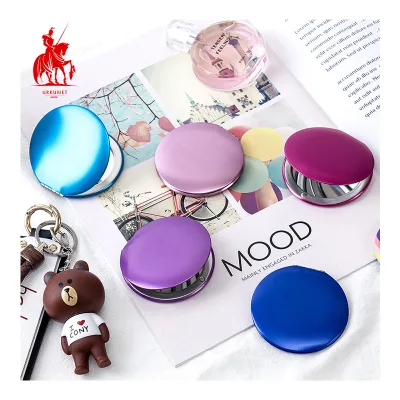


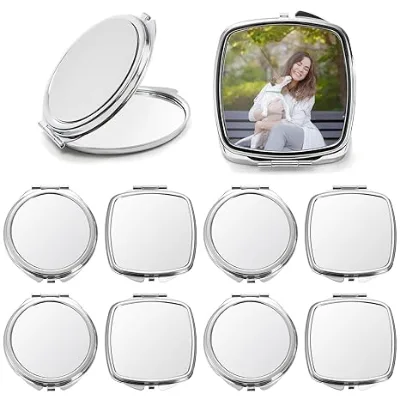


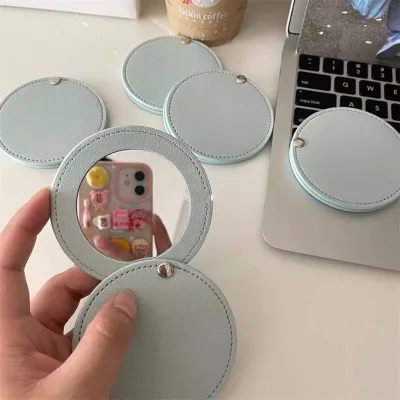


Comprehensive Sourcing Guide
Travel Daily Makeup Pocket Mirror Sourcing Guide
The travel daily makeup pocket mirror serves as an essential accessory for professionals and travelers requiring reliable grooming solutions on the go. Based on observed market data, these items frequently appear as compact, double-sided units constructed from zinc alloy and glass, offering a durable frame that withstands frequent handling. The modern style and round or square shapes cater to diverse aesthetic preferences, while the folding mechanism ensures portability within bags or pockets. Buyers should note that customization options are widely available, allowing for tailored logos and finishes to match brand identities.
Procurement strategies must account for the variability in product models, ranging from specific codes like X-Mirror to broader categories such as portable travel mini mirrors. The observed listing signals indicate a wide price range and minimum order quantities that can vary significantly between suppliers, often starting as low as 50 pieces but sometimes requiring 100 units. This variance necessitates a careful review of individual supplier catalogs to align order volumes with budget constraints. Understanding these listing signals helps buyers navigate the fragmented market to find suppliers who can meet specific volume and design requirements without compromising on the core functionality of the mirror.
Product Scope and Observed Listing Signals
Buyers must distinguish between single-sided and double-sided configurations when evaluating product listings, as this feature directly impacts utility and pricing. The observed data confirms that many high-quality options feature double-sided designs, often combining a standard mirror with a magnifying surface for detailed application. These units are typically finished in silver or aluminum, providing a sleek, modern appearance that appeals to contemporary consumers. The shape of the mirror, whether round, square, or described as all shapes, should be verified against the specific needs of the target demographic to ensure the product fits the intended market segment.
The scope of available products also includes variations in packaging and branding, with options ranging from simple OPP bags to premium velvet boxes. Suppliers often list specific models like X2025061105 or MI80012, which may differ in dimensions, such as the 60mm by 60mm size observed in some listings. It is critical to verify the exact dimensions and packing specifications, as some suppliers offer bulk packing in cartons while others provide individual retail-ready packaging. This distinction affects the final landed cost and the readiness of the product for immediate retail distribution, making it a key decision point during the sourcing phase.
Technical Specifications to Verify
Technical verification should begin with the frame material and construction technique, as these factors determine the durability and weight of the final product. The supplied facts highlight the use of zinc alloy combined with die casting, a process that ensures structural integrity for folding mechanisms. Buyers must confirm that the frame material matches the specification, as some listings may offer plastic alternatives which could be less durable for heavy travel use. The finish, typically silver or aluminum, should be inspected for consistency and resistance to tarnishing, ensuring the mirror maintains its aesthetic appeal over time.
Dimensional accuracy and shape consistency are equally critical, as the observed data shows models ranging from 50mm to 60mm in size. Buyers should request physical samples to verify that the stated dimensions, such as 60mm by 60mm, are accurate and that the shape matches the visual representation. The mirror surface itself must be clear and free of distortions, particularly for double-sided units where magnification is a key selling point. Additionally, the folding mechanism should be tested for smooth operation and secure locking to prevent accidental opening during transit, which is a common failure point in lower-quality pocket mirrors.
Compliance and Safety Documentation
Compliance documentation is a non-negotiable aspect of sourcing, with suppliers often citing certifications such as SGS, BSCI, and SA8000 to demonstrate adherence to international standards. Buyers must request valid, up-to-date certificates for each specific product model, as these documents verify that the manufacturing process meets social and environmental requirements. The presence of these certifications indicates a supplier's commitment to ethical labor practices and product safety, which is essential for maintaining brand reputation in competitive markets. It is important to verify that the certification covers the specific factory and production line used for the order.
Safety standards regarding the materials used in the mirror construction must also be rigorously checked to ensure they are free from harmful substances. The combination of zinc alloy and glass requires verification that the glass is tempered or treated to prevent shattering into dangerous shards. Buyers should confirm that the supplier has conducted or can provide test results for heavy metals and other chemical content, aligning with the SGS standards mentioned in the product data. This due diligence protects the buyer from potential liability issues and ensures the product is safe for end-users, particularly children or individuals with sensitive skin.
Cost Drivers and Commercial Terms
Cost drivers for travel pocket mirrors include the complexity of customization, the choice of frame material, and the volume of the order. While the observed price range is broad, from $0.08 to $20, the final unit cost is heavily influenced by the level of personalization, such as laser engraving logos or custom packaging. Buyers should analyze the trade-off between higher unit costs for premium features and the potential for increased market value. Understanding these cost drivers allows for more accurate budgeting and helps in negotiating terms that balance quality with affordability.
Commercial terms, including payment methods and delivery timelines, vary significantly among suppliers and must be clearly defined in the purchase agreement. The observed data indicates payment options like Western Union, T/T, and PayPal, each carrying different levels of risk and processing fees. Delivery times typically range from 10 to 20 days, but this can extend based on the complexity of the order and the supplier's current workload. Buyers should establish clear lead times and sample approval processes, noting that sample times can be as short as seven days, to ensure the project stays on schedule and avoids costly delays.
Supplier Qualification and Quality Control
Supplier qualification requires a thorough assessment of their production capabilities and quality control systems, particularly for items involving metal casting and glass assembly. Buyers should verify the supplier's capacity to handle the required order volume, as observed MOQs range from 50 to 10,000 pieces. A reliable supplier will have a robust quality control process that includes inspections at various stages of production, from raw material intake to final packaging. This ensures that every unit meets the specified standards for finish, shape, and functionality before shipment.
Quality control checks should also focus on the consistency of the product finish and the reliability of the folding mechanism. Buyers must ensure that the supplier conducts random sampling tests to verify that the silver or aluminum finish is uniform and that the mirror surface is free of defects. The packaging process is another critical area, as the observed data shows options ranging from simple OPP bags to velvet boxes. A qualified supplier will have a dedicated packaging line to ensure that each unit is protected during transit and presented attractively to the end consumer, minimizing the risk of damage or returns.
Long-Term Procurement Checks
Long-term procurement success depends on establishing a reliable supply chain that can adapt to changing market demands and volume fluctuations. Buyers should maintain regular communication with suppliers to monitor production schedules and address any potential bottlenecks before they impact delivery. Building a strong relationship with the supplier can lead to better pricing, priority production slots, and more flexible terms as the partnership evolves. This proactive approach ensures a steady supply of high-quality pocket mirrors that meet the brand's standards over time.
Continuous monitoring of product quality and supplier performance is essential for maintaining brand integrity and customer satisfaction. Buyers should implement a system for collecting and analyzing feedback from end-users to identify any recurring issues with the product. Regular audits of the supplier's facilities and quality control processes can help identify areas for improvement and ensure ongoing compliance with safety and ethical standards. By staying engaged with the supply chain, buyers can mitigate risks and ensure a consistent flow of products that align with their strategic goals.
FAQs
What materials are used for the frame of this mirror?
The frame is constructed from metal, specifically zinc alloy combined with glass for durability. Some variants utilize plastic frames to offer a lighter alternative. The finish is typically silver, providing a modern aesthetic suitable for daily use. These material choices ensure the compact mirror remains sturdy while maintaining a sleek appearance for travel or cosmetic applications.
Can I customize the logo and packaging for bulk orders?
Yes, customization is available for both logos and packaging. You can choose from options like poly bags, OPP bags, blister packs, or velvet boxes. The logo can be applied using stainless steel or makeup-style finishes. This flexibility allows buyers to brand the product effectively for retail or promotional purposes while meeting specific packaging requirements.
What is the minimum order quantity for these pocket mirrors?
The minimum order quantity varies by product model, ranging from 50 to 100 pieces. Some listings specify an MOQ of 100 PCS, while others allow orders as low as 50 PCS. This range accommodates both small trial orders and larger bulk purchases, providing flexibility for buyers with different inventory needs and budget constraints for sourcing these mirrors.
How long does it take to receive samples and orders?
Samples are typically provided for free and take about 7 days to prepare. Production delivery times generally range from 10 to 20 days depending on the specific model and order volume. This timeline allows for efficient planning, ensuring that buyers can receive prototypes quickly and manage their supply chain schedules effectively for both small and large orders.
Which certifications do these mirrors hold for quality assurance?
These mirrors hold certifications including SGS, BSCI, and SA8000. These standards verify compliance with quality and social responsibility requirements. Buyers can rely on these documented certifications to ensure the products meet international safety and ethical manufacturing norms. This assurance is crucial for retailers and distributors who need to verify supplier credibility and product safety before placing large orders.
What shapes and styles are available for this mirror?
Available shapes include round, square, and all standard forms. Styles range from modern to simple designs, with options for double-sided or single-sided mirrors. The product is described as a portable travel mini mirror, often featuring a folding compact design. These variations allow buyers to select the specific aesthetic and functional attributes that best suit their target market preferences.